The European Super League is finally dead.
Not suspended. Not “on pause.”
Dead.
After nearly five years of legal threats, political warfare and public outrage, Real Madrid and UEFA have reached a peace agreement, officially closing the book on football’s most controversial power grab.
For fans who protested in the streets, held up banners, and threatened boycotts back in 2021 — this feels like a victory.
But if we’re being honest? It also feels like football’s elite quietly walking away after realising they lost the PR war.
⚔️ Why Real Madrid Refused to Let the Super League Die
While Premier League clubs folded within days of fan backlash, Real Madrid doubled down.
From inside Spanish football circles, the belief was always the same:
The Super League wasn’t about competition — it was about financial control.
Real Madrid argued the current European model was broken:
- Clubs drowning in debt
- Revenue skewed toward broadcasters
- UEFA “protecting the status quo”
- Big clubs carrying the commercial value
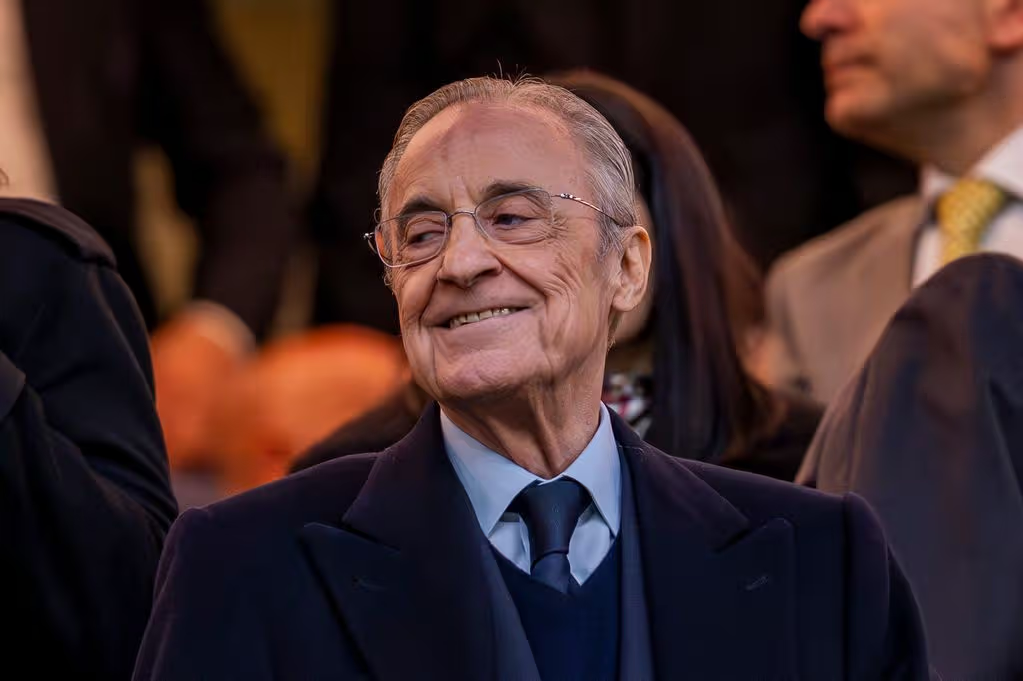
Perez wasn’t trying to “save football.”
He was trying to own it.
🤝 The Deal That Ends the War
After months of quiet talks, Real Madrid and UEFA have now agreed to:
- End all legal disputes
- Drop compensation claims
- Commit to “sporting merit”
- Support long-term club sustainability
- Improve fan experience through technology
On paper, it reads like unity.
In reality?
It’s a truce after one side realised the battlefield was hostile territory.
🧠 What Changed? The Politics Behind the Peace
This deal didn’t happen because of principle.
It happened because of pressure, isolation, and influence.
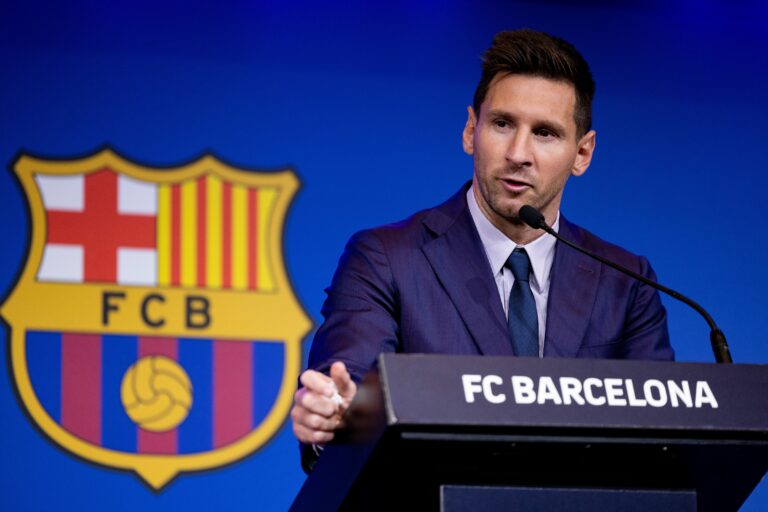
With Barcelona stepping away days earlier, Real Madrid were the last major power still holding the Super League banner. That’s not leverage — that’s loneliness.
When the only clubs still backing your “revolution” are fringe partners with no political power, the movement is already over.
😬 Did UEFA Really “Win”?
Publicly? Yes.
Structurally? Not quite.
UEFA avoided a full-blown breakaway league — but the financial grievances that created the Super League haven’t gone away.
The underlying problems still exist:
- Massive revenue inequality
- Elite clubs pushing for more guaranteed income
- Fans being treated as consumers first
- Calendar congestion
- Player burnout
This deal ends the war.
It doesn’t fix the system that caused it.
🏟️ From Fan Perspective: This Was a Rare Win
For once, fan power actually worked.
Supporters forced:
- Premier League clubs to retreat
- Politicians to intervene
- Sponsors to apply pressure
- Governing bodies to act fast
That doesn’t happen often in modern football.
If you’ve ever felt ignored by club owners, this moment mattered.