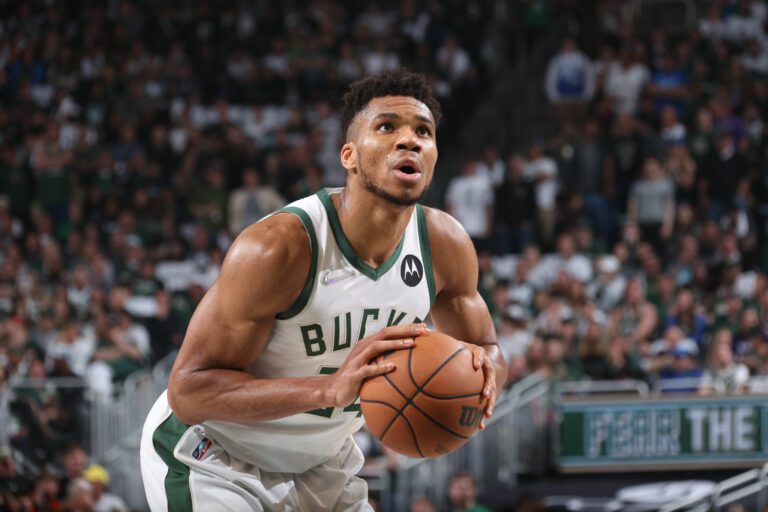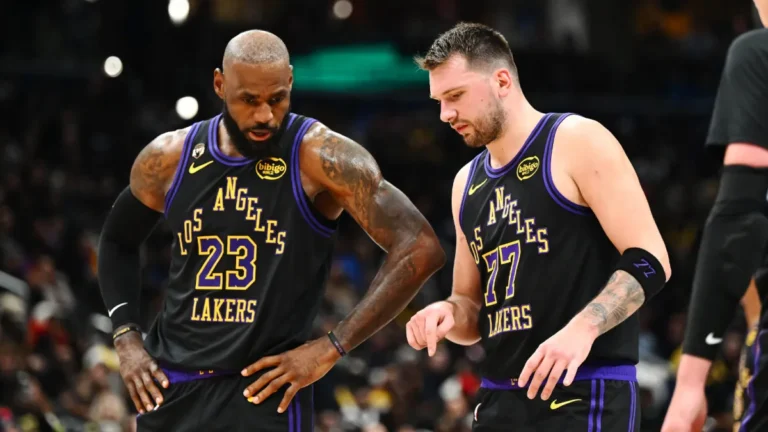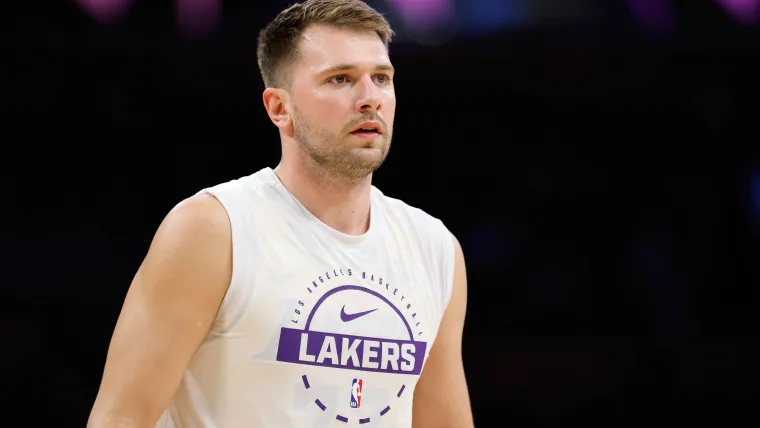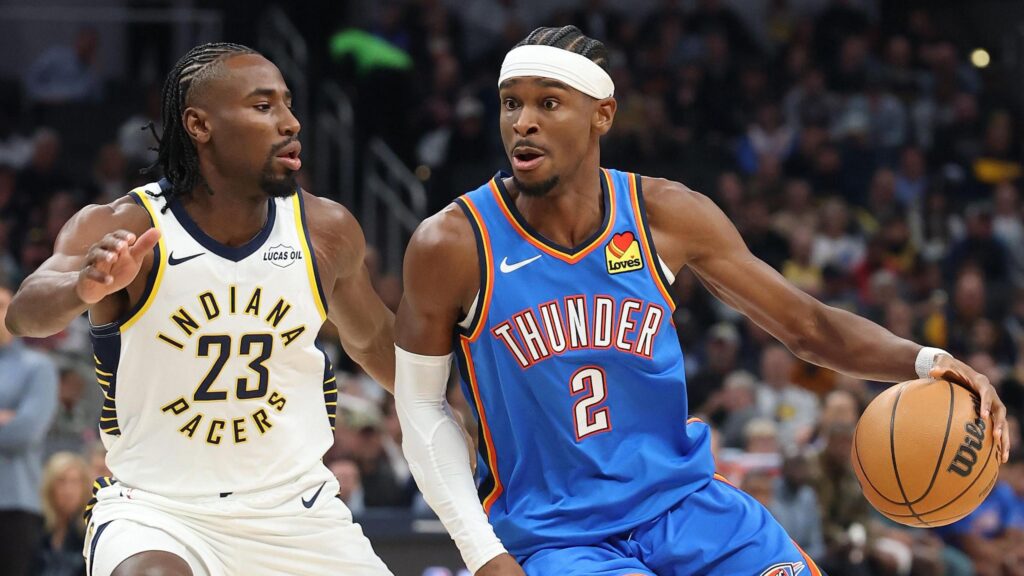
The 2026 NBA Power Rankings are starting to take real shape as contenders separate, young stars elevate their franchises, and several teams quietly transition into rebuild mode. These rankings evaluate roster balance, coaching stability, two-way efficiency, depth, and realistic postseason ceiling — not just current records.
With the season entering a critical stretch, here is the full 30-team breakdown.
Tier 1: Championship Favorites in the 2026 NBA Power Rankings
1. Oklahoma City Thunder
The Thunder sit at the top because they have everything: elite shot creation, defensive versatility, and playoff maturity. Shai Gilgeous-Alexander controls tempo better than almost any guard in the league, and OKC’s supporting cast defends at a championship level. They don’t rely on one-dimensional scoring runs — they win with structure and discipline.
2. Denver Nuggets
As long as Nikola Jokic is healthy, Denver’s offense remains impossible to scheme against. Their half-court efficiency and playoff experience give them a stable floor. The concern isn’t talent — it’s bench production during long postseason series.
3. Detroit Pistons
Cade Cunningham has made the leap. Detroit’s improvement isn’t just star power — it’s defensive communication and smarter late-game execution. They’ve become a team that doesn’t beat itself, which is rare for a young core.
4. Boston Celtics
Boston remains steady. They may not dominate headlines nightly, but their depth, switchable defense, and late-game composure keep them in the championship tier. Their experience matters in tight playoff games.
Tier 2: Serious Contenders in the 2026 NBA Power Rankings
5. Minnesota Timberwolves
Anthony Edwards continues evolving into a complete offensive engine. Minnesota’s ceiling depends on consistent secondary scoring and defensive rebounding. When locked in, they can beat anyone.
6. New York Knicks
The Knicks play physical, structured basketball. Karl-Anthony Towns stretches defenses, but postseason success will depend on guard play and transition defense. They’re built for long series.
7. Houston Rockets
Houston’s defensive energy jumps off the screen. Their young guards are improving decision-making late in games, and their athleticism creates matchup problems. They still need playoff reps, but the trajectory is upward.
8. San Antonio Spurs
The Spurs’ system-first identity keeps them competitive nightly. Ball movement and defensive rotations are improving, and their young core looks comfortable under pressure.
Tier 3: Strong Playoff Teams With Questions
9. Los Angeles Lakers
With Luka Doncic leading the offense, the Lakers will always generate scoring. The real question is defensive consistency and health over a long postseason run.
10. Cleveland Cavaliers
Cleveland’s roster is talented, but offensive rhythm fluctuates. When their spacing works, they look elite. When it doesn’t, they stagnate late in games.
11. Phoenix Suns
The Suns have scoring depth and shot creators across the lineup. However, durability and defensive communication continue to limit their ceiling in extended stretches.
12. Philadelphia 76ers
If Paul George performs at an All-Star level, Philadelphia becomes a serious threat. Their offense is dangerous, but health history makes them volatile.
13. Golden State Warriors
Golden State is transitioning without fully rebuilding. Young players are gaining responsibility, but consistency remains an issue. They’re competitive but no longer dominant.
14. Toronto Raptors
Toronto’s defensive schemes keep them in games. Their issue remains half-court scoring in clutch situations, which limits upward movement in the rankings.
Tier 4: Play-In Battle Teams
15. Miami Heat
Miami’s culture and coaching give them a competitive floor. They grind out wins but lack offensive explosiveness compared to elite teams.
16. Orlando Magic
The Magic are athletic and improving defensively. However, they struggle against veteran playoff-caliber offenses that exploit inexperience.
17. Charlotte Hornets
Charlotte can score in bunches, but defensive lapses cost them momentum. If they tighten rotations, they could climb quickly.
18. Atlanta Hawks
The Hawks remain unpredictable. Some nights they look like a top-10 offense; other nights ball movement stalls completely.
19. Chicago Bulls
Chicago competes hard but lacks a clear offensive identity. They rely heavily on mid-range scoring and half-court sets.
20. LA Clippers
Talent isn’t the issue — chemistry and defensive cohesion are. If rotations stabilize, they could surprise.
21. Sacramento Kings
The Kings play fast and create offense early in possessions. Their transition defense and rim protection, however, remain concerns.
Tier 5: Rebuilding or Reset Mode
22. Dallas Mavericks
Roster turnover has shifted their direction. Development and cap flexibility are now priorities over immediate wins.
23. Memphis Grizzlies
Injuries slowed their growth, and this season focuses on recovery and rebuilding defensive identity.
24. Milwaukee Bucks
An aging core forces difficult strategic decisions. They remain competitive but lack the depth of top contenders.
25. Indiana Pacers
The Pacers score efficiently but struggle to defend elite backcourts. Long-term potential exists, but growth is still needed.
26. Utah Jazz
Utah is building patiently through youth development and draft capital accumulation.
27. New Orleans Pelicans
Inconsistent availability and shifting rotations keep them from climbing higher in the rankings.
28. Brooklyn Nets
Brooklyn is clearly in development mode. They prioritize flexibility and asset accumulation.
29. Washington Wizards
The Wizards are focused on long-term rebuild structure and evaluating young talent.
30. Portland Trail Blazers
Portland’s young core shows flashes, but experience gaps are evident against structured playoff-level teams.
Final Thoughts on the 2026 NBA Power Rankings
The 2026 NBA Power Rankings highlight a league transitioning toward younger superstars and deeper Western Conference competition. While Oklahoma City and Denver currently set the standard, the middle tier remains tightly packed.
As trade rumors intensify and playoff positioning tightens, expect movement — but this is the current hierarchy shaping the 2026 season.