The Premier League has officially reintroduced mid-match Ramadan breaks, allowing Muslim players to hydrate and take on energy gels during natural stoppages such as goal-kicks or throw-ins.
This policy, first introduced in April 2021, is designed to balance religious observance with competitive integrity, and high-profile stars across the league will benefit this season.
How the Policy Works
During Ramadan, referees will identify natural stoppages after sunset to allow players to break their fast.
- Breaks are brief and non-tactical
- Aim: hydrate, take energy gels, maintain performance
- Typical games affected: Saturday 17:30 kick-offs, Sunday 16:30 kick-offs
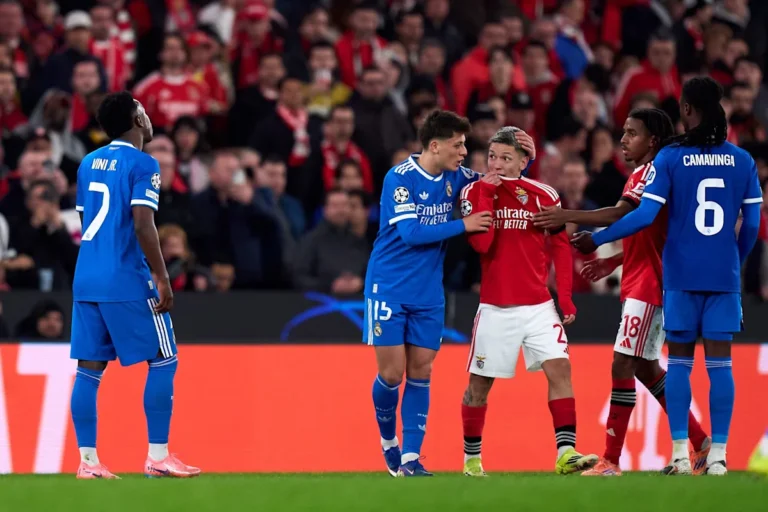
The policy was first used during a Leicester City vs Crystal Palace clash, where Wesley Fofana and Cheikhou Kouyate paused for refreshments at a goal-kick around the 30-minute mark.
Which Players Will Benefit?
The 2026 Ramadan schedule will impact numerous Premier League squads:
- Arsenal: William Saliba
- Aston Villa: Amadou Onana, Boubacar Kamara
- Chelsea: Wesley Fofana, Tosin Adarabioyo
- Liverpool: Mohamed Salah, Ibrahima Konaté, Hugo Ekitiké
- Manchester City: Rayan Ait-Nouri, Rayan Cherki, Omar Marmoush, Abdukodir Khusanov
- Manchester United: Amad Diallo, Noussair Mazraoui, Altay Bayindir
- Newcastle: Malick Thiaw
- Everton: Idrissa Gana Gueye, Iliman Ndiaye, Abdoulaye Doucoure
- Tottenham Hotspur: Pape Matar Sarr, Yves Bissouma, Djed Spence, Mohammed Kudus
Weekend highlight fixtures include:
- North London Derby: Tottenham vs Arsenal
- West Ham vs Bournemouth: featuring Jean-Clair Todibo, Malick Diouf, Amine Adli, and Enes Ünal
Why This Matters
This policy is more than just a small break: it represents a continued era of inclusivity in English football, acknowledging the diversity of players while keeping the integrity of top-flight competition.
Experience-based insight: Elite athletes fasting during a high-intensity match risk dehydration, low energy, and reduced performance. Structured breaks like this allow clubs to maintain both player welfare and tactical continuity.
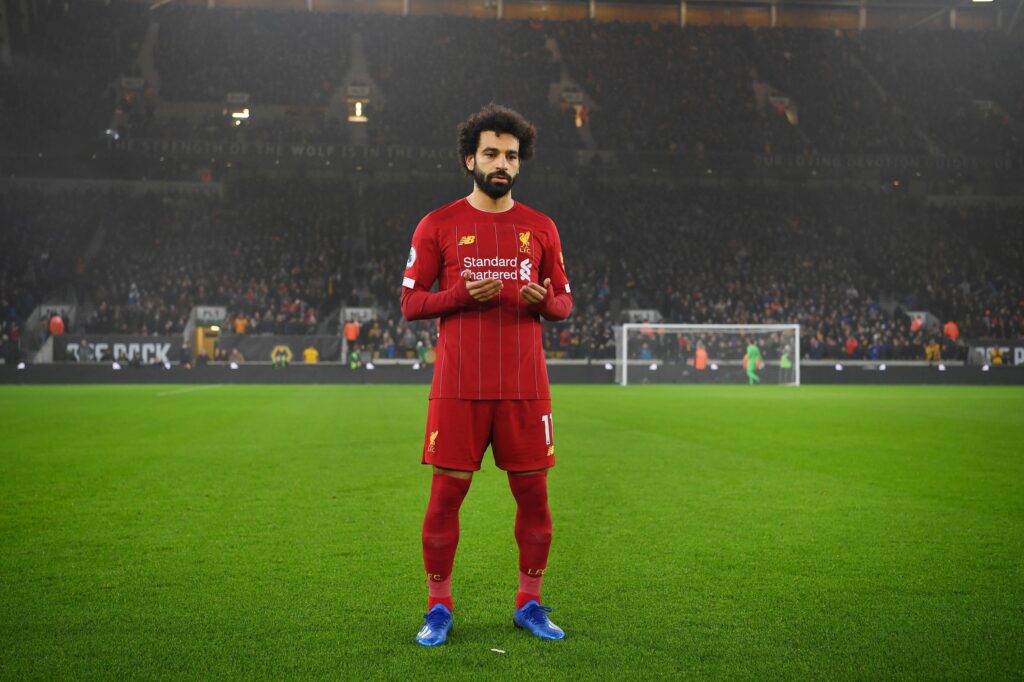
For Muslim players like Mohamed Salah, these accommodations are crucial, particularly during high-pressure matches where every minute on the pitch matters.
The Bigger Picture
The Premier League’s decision reflects a broader trend: football leagues worldwide are adapting to religious diversity, showing that faith and professionalism can coexist at the highest level.
For clubs, referees, and fans, it’s a small pause that makes a huge difference — demonstrating that respect, inclusivity, and top-level football can go hand in hand.